How to make an osamason type beat that actually lands, from BPM and 808s to free-for-profit licensing
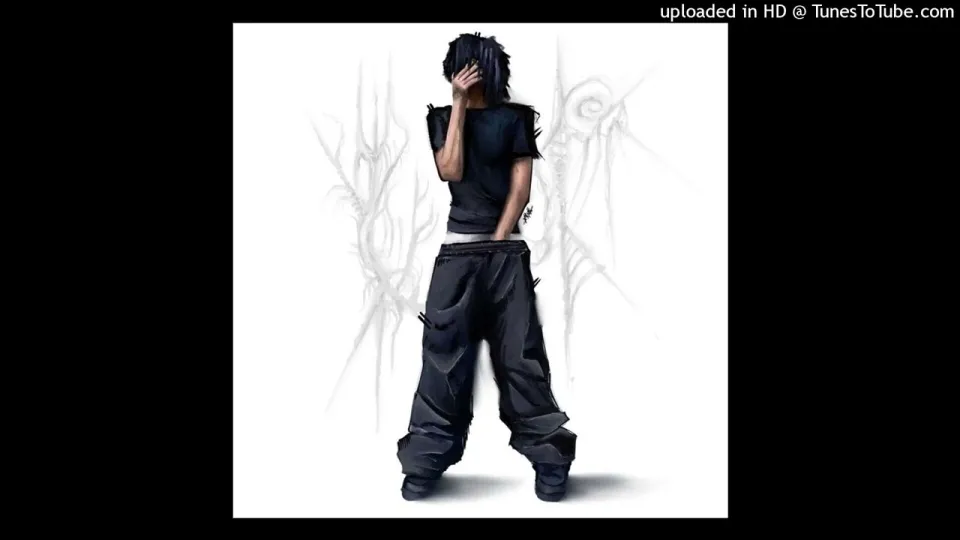
Video: [free for profit] osamason + che + rexv2 type beat "fooled"
· based on the channel xhaji
Key takeaways
- osamason's sound sits in a narrow tempo band, roughly 140–160 BPM with half-time snare placement, so most type beats in this lane land between 145 and 155 BPM.
- The 808 is the lead instrument: distorted, sidechained to the kick, and often playing a short 2–4 note pattern rather than a full melodic line.
- "Free for profit" means you can release on YouTube and SoundCloud and keep 100% of revenue, but streaming platforms like Spotify and Apple Music require a purchased lease.
- Placing a copyright claim on a free-for-profit beat without exclusive rights triggers a complaint against your own upload.
- The xhaji beat "fooled" is tagged osamason + che + rexv2 and is distributed free for profit, with key and BPM listed on the purchase page.
An osamason type beat is a dark, minimalist trap instrumental built around a distorted 808, sparse melodic loops and half-time drums at roughly 140–160 BPM, mixed so the low end dominates and the hi-hats sit thin and fast. The style borrows from Ken Carson, Che, Rexv2 and the wider Opium-adjacent underground, and producers usually distribute these beats as free for profit for YouTube and SoundCloud use. You can hear the format in practice on xhaji's "fooled," a free-for-profit beat tagged osamason + che + rexv2, and reach the producer directly through his Instagram page for collabs and beat requests.
What actually defines the osamason type beat sound
The defining trait of this subgenre is restraint: very few elements, each one pushed hard in the mix. Where a generic trap beat stacks pads, counter-melodies and vocal chops, an osamason-style instrumental usually runs a single loop, one 808 line, one clap or snare, and a hi-hat pattern that carries most of the rhythmic motion. The emptiness is intentional — it leaves room for a deadpan, half-mumbled vocal that would get buried in a busier arrangement.
Key characteristics to aim for:
- Tempo: most tracks sit between 140 and 160 BPM, with the snare landing on the third beat so the groove reads as half-time. Faster cuts push toward 160; slower, heavier ones drop to 140.
- Melody: short 2–4 bar loops, often a single detuned synth or a pitched vocal sample, filtered so the top end is dull rather than bright.
- 808: the centerpiece. Long sustain, heavy saturation, and a glide between notes. It frequently doubles the melody root rather than playing independent basslines.
- Drums: punchy kick, a snare or clap with little reverb tail, and 1/32 or 1/64 hi-hat rolls that are quiet in level but dense in pattern.
- Texture: light tape saturation, bitcrush or vinyl noise on the master bus to make the beat feel worn rather than clean.
Artists whose names get attached to this lane — Osamason himself, Che, Rexv2, Nettspend, 1oneam, Boolymon, Okaymar — share a preference for bleak, minor-key loops and vocal delivery that sits low in the mix. If your beat sounds like it could soundtrack a well-lit pop chorus, it is probably too bright for this tag.
Building the beat step by step
Start with the 808 pattern, not the melody, because the bassline dictates how much space everything else gets. A practical build order:
- Set the tempo and grid. Choose 148–152 BPM and switch the grid to half-time so the snare falls on beat 3. This is the single fastest way to make a generic trap loop read as an osamason type beat.
- Write the 808 first. Use 3–5 notes maximum, mostly on the root and the minor third or fifth. Add glide on one transition and leave the rest short and staccato. Sidechain the 808 to the kick so the low end never smears.
- Add the melodic loop. A single detuned saw or a pitched vocal chop, four bars, no chord changes beyond two. Low-pass it around 8–10 kHz so it feels muffled.
- Program drums. Kick on 1 and the "and" of 2, snare or clap on 3, closed hats in a rolling pattern with occasional 1/32 bursts. Keep the hats 4–6 dB below the snare.
- Saturate and limit. Push the 808 through soft clipping, add tape or console saturation on the master, and leave 3–6 dB of headroom before the limiter so vocals can be tracked on top.
The whole beat should be finishable in under an hour. If you are spending days on sound design, the arrangement has probably gotten too busy for the genre.
Mixing so the 808 carries the record
In this style the 808 is the lead instrument, so it should be the loudest element after the vocal, and everything else should be carved around it. Practical moves that separate a working osamason type beat from a muddy one:
- High-pass the melodic loop at 150–250 Hz so it never fights the bass.
- Cut a narrow notch in the 808 around 200–300 Hz if the kick and bass are masking each other.
- Keep the snare dry: 0.3–0.6 seconds of decay, minimal reverb, and a transient shaper to sharpen the attack.
- Clip the master gently rather than compressing hard; the goal is aggression, not smoothness.
- Check the mix in mono — these beats get played through phone speakers, and the 808 glide has to survive that translation.
A common mistake is over-mastering the beat before vocals are recorded. Leave headroom, because the vocalist will want to push their own chain on top, and a pre-limited beat forces them to fight the instrumental.
Free for profit versus lease: what the license actually allows
The "free for profit" tag on a beat like "fooled" has a specific meaning, and misunderstanding it is the most common source of takedowns in this scene. Free for profit means you can record over the beat and upload the finished song to YouTube and SoundCloud, monetize it, and keep 100% of the revenue — with no upfront payment and no lease agreement.
The limits are equally specific:
- Streaming distribution requires a lease. Uploading to Spotify, Apple Music, Tidal or similar platforms without purchasing a lease is outside the free-for-profit grant.
- Never register a copyright claim on the beat. Filing a Content ID claim on a free-for-profit instrumental without exclusive rights will get your own upload hit with a complaint.
- Exclusive rights are a separate purchase. If you want to own the beat outright, stop other artists from using it, or claim it, you need an exclusive deal — not a lease and definitely not the free tier.
- Credit the producer. It is not legally required in most free-for-profit terms, but it keeps the relationship alive and producers notice.
The practical workflow: drop the free-for-profit version on YouTube and SoundCloud first, measure the response, then buy a lease only for the tracks you want to push to DSPs.
Where to find and buy beats in this lane
Search the exact tag on YouTube — "osamason type beat," "osamason x ken carson type beat," "che type beat free for profit" — and filter by upload date, because this sound moves fast and a beat from two years ago will read as dated. Producers who consistently tag for Osamason, Che, Rexv2, Nettspend and 1oneam are the ones worth subscribing to.
When you find a beat you like, check three things before writing: the key and BPM listed on the purchase page, whether the free-for-profit terms are stated in the description, and whether the producer offers a lease tier at all. Some producers only sell exclusives, which makes the beat useless for a quick YouTube drop.
Producer links and where to follow the sound
All official links for the "fooled" beat and the producer behind it:
- Instagram (beats, collabs, direct contact): https://www.instagram.com/xhaji.evx
- Purchase page with key and BPM: https://bsta.rs/VR2I8c
- Telegram channel for updates and beat packs: https://t.me/xhaji3
Common questions from producers and rappers
A few recurring doubts come up whenever a free-for-profit beat gets posted, and they are worth answering directly. The biggest one is whether a free beat can be monetized at all — yes, on YouTube and SoundCloud, and the producer keeps no cut of that revenue under standard free-for-profit terms. The second is whether a lease is a one-time payment or a subscription; in almost all cases it is a one-time fee tied to a specific beat and a specific distribution cap.
Another frequent concern is beat reuse: multiple artists can record over the same free-for-profit instrumental, and none of them can stop the others. That is the trade-off for paying nothing. Finally, producers get asked constantly whether the tag has to stay in the beat — for free-for-profit use, yes, the producer tag typically remains, and removing it is a licensing violation even if nobody enforces it immediately.
Final takeaway
An osamason type beat is a discipline problem more than a sound design problem: 148–152 BPM, half-time snares, one bleak four-bar loop, a distorted 808 that carries the record, and nothing else competing for attention. Get those fundamentals right and the tag fits naturally. The business side matters just as much — free for profit covers YouTube and SoundCloud only, streaming needs a lease, and copyright claims on a beat you do not own will backfire on your own upload. xhaji's breakdown of the "fooled" beat shows how tightly scoped this sound is, and you can follow the producer's work and reach out for collabs via his Instagram before you start your next beat.
Source: [free for profit] osamason + che + rexv2 type beat "fooled" · Markdown version
Questions & answers
Can I upload a song on a free osamason type beat to Spotify?
No. Free-for-profit terms typically cover YouTube and SoundCloud only, where you keep 100% of the revenue. Distributing to Spotify, Apple Music or other streaming platforms requires purchasing a lease for that specific beat.
What BPM should an osamason type beat be?
Most tracks in this lane sit between 140 and 160 BPM with the snare on the third beat, which reads as half-time. A safe default is 148–152 BPM; go faster for a more frantic feel and slower for heavier, more lethargic cuts.
Can two artists use the same free type beat?
Yes. A free-for-profit beat is non-exclusive, so multiple artists can record and release over it, and none of them can block the others. If you need sole use of the instrumental, you have to buy exclusive rights.
Do I have to keep the producer tag in the beat?
Under standard free-for-profit terms, yes — the tag stays in the instrumental. Removing it or registering a copyright claim on the beat without exclusive rights can result in a complaint against your own release.